
Heart Screening for High Blood Pressure Patients: Benefits, Tests, and Prevention
High blood pressure is one of the most common health concerns worldwide. Many people live with elevated blood pressure for years without noticeable symptoms. This is why heart screening for high blood pressure patients plays an important role in identifying potential heart-related problems early. Regular screening can help evaluate heart function, detect complications, and support better long-term health outcomes.
Understanding Heart Screening for High Blood Pressure Patients
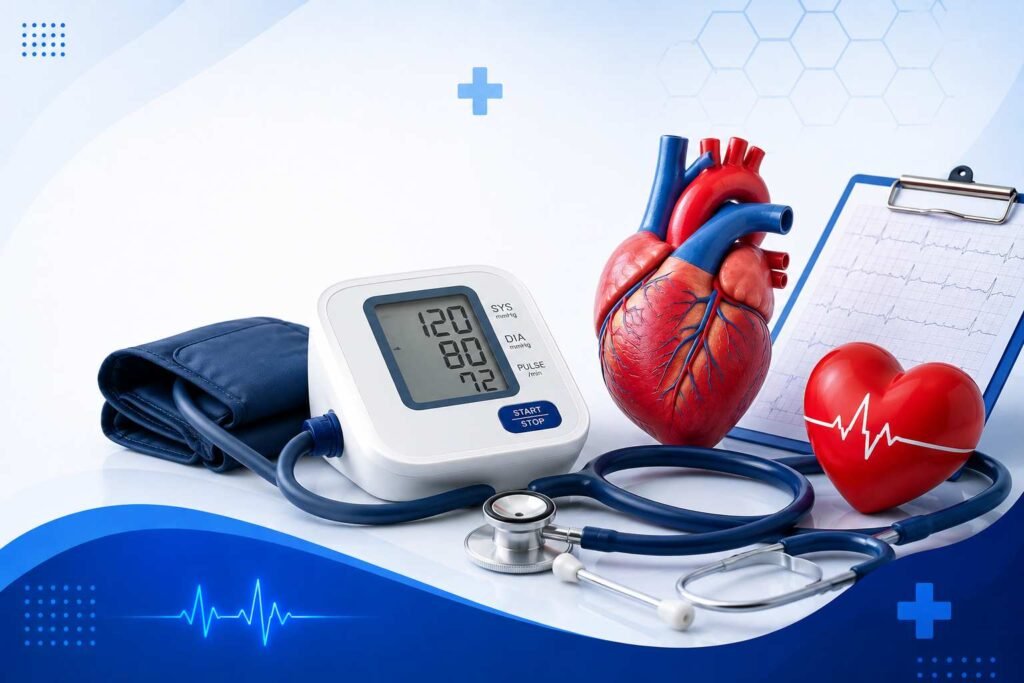
Heart screening for high blood pressure patients is a structured approach to evaluating heart health in individuals who have hypertension. High blood pressure can gradually affect the heart, blood vessels, kidneys, and other organs. Screening helps identify changes before serious complications develop.
The goal of screening is to:
- Assess overall heart health
- Detect early signs of heart disease
- Evaluate cardiovascular risk factors
- Monitor the effects of hypertension
- Guide preventive healthcare decisions
Many people with hypertension feel completely healthy, making routine heart screening especially valuable.
Why High Blood Pressure Affects Heart Health
High blood pressure forces the heart to work harder than normal. Over time, this extra workload can cause structural and functional changes.
Potential effects include:
- Thickening of the heart muscle
- Narrowing of blood vessels
- Increased risk of heart attack
- Increased risk of stroke
- Heart failure
- Irregular heart rhythms
Because these changes often occur gradually, screening can identify concerns before symptoms become severe.
Common Causes of High Blood Pressure
Lifestyle Factors
- Excess salt intake
- Physical inactivity
- Smoking
- Excessive alcohol consumption
- Poor dietary habits
- Chronic stress
Medical Factors
- Diabetes
- Kidney disease
- Hormonal disorders
- Sleep apnea
- Certain medications
Family History
People with a family history of hypertension may have a higher risk of developing high blood pressure and related heart conditions.
Who Should Consider Heart Screening for High Blood Pressure Patients
Heart screening for high blood pressure patients may be beneficial for:
- Adults diagnosed with hypertension
- Individuals with long-standing high blood pressure
- People with diabetes
- Smokers
- Those with obesity
- Individuals with a family history of heart disease
- People over 40 years of age
- Patients experiencing cardiovascular symptoms
Early evaluation allows healthcare professionals to identify potential risks and recommend appropriate management strategies.
Symptoms That Should Not Be Ignored
Although hypertension is often called a silent condition, some people may experience warning signs.
Possible Symptoms
- Chest discomfort
- Shortness of breath
- Dizziness
- Fatigue
- Palpitations
- Persistent headaches
- Swelling in the legs
- Reduced exercise tolerance
These symptoms do not always indicate heart disease, but they should be assessed appropriately.
Components of Heart Screening for High Blood Pressure Patients
Several tests may be included in heart screening for high blood pressure patients depending on individual needs and risk factors.
Blood Pressure Assessment
Accurate blood pressure measurement remains the foundation of cardiovascular evaluation.
Medical History Review
Healthcare providers may review:
- Previous illnesses
- Family history
- Lifestyle habits
- Current medications
- Existing medical conditions
Physical Examination
A comprehensive examination helps identify signs that may indicate cardiovascular concerns.
Heart Tests Commonly Used During Screening
Electrocardiogram (ECG)
An ECG records the electrical activity of the heart.
It may help identify:
- Irregular heart rhythms
- Previous heart damage
- Heart muscle strain
Echocardiogram
This ultrasound-based test provides detailed images of the heart.
It can evaluate:
- Heart chamber size
- Heart muscle function
- Valve performance
- Structural abnormalities
Stress Testing
Stress tests assess how the heart performs during physical activity or simulated stress conditions.
Blood Tests
Blood tests may evaluate:
- Cholesterol levels
- Blood sugar levels
- Kidney function
- Inflammatory markers
Imaging Studies
In selected cases, advanced imaging may be recommended to assess blood vessels and cardiac structures.
Benefits of Heart Screening for High Blood Pressure Patients
There are several advantages to undergoing regular heart screening.
Early Detection
Many cardiovascular conditions develop gradually. Screening helps identify issues before major complications occur.
Better Risk Assessment
Healthcare providers can estimate future cardiovascular risk more accurately.
Personalized Care
Screening results help create individualized management plans.
Monitoring Disease Progression
Patients with hypertension benefit from ongoing monitoring to track changes over time.
Improved Awareness
People gain a clearer understanding of their cardiovascular health and lifestyle risk factors.
Types of Heart Conditions Screening May Detect
Heart screening for high blood pressure patients can help identify various conditions.
Coronary Artery Disease
Reduced blood flow to the heart due to narrowed arteries.
Left Ventricular Hypertrophy
Thickening of the heart muscle caused by prolonged high blood pressure.
Heart Failure
A condition where the heart cannot pump blood effectively.
Arrhythmias
Abnormal heart rhythms that may require monitoring or treatment.
Valve Disorders
Problems affecting the heart valves may be identified during evaluation.
How to Prepare for Heart Screening
L
Simple preparation can improve the accuracy of test results.
Before the Appointment
- Bring medical records if available
- Carry a list of medications
- Wear comfortable clothing
- Follow instructions regarding food or beverages
- Inform healthcare professionals about existing conditions
During the Screening
Remain relaxed and provide accurate information about symptoms and lifestyle habits.
Lifestyle Tips for Better Heart Health
While heart screening for high blood pressure patients helps evaluate heart function, healthy habits remain essential.
Maintain a Balanced Diet
Focus on:
- Fruits
- Vegetables
- Whole grains
- Lean proteins
- Healthy fats
Reduce Salt Intake
Lower sodium consumption may help control blood pressure.
Stay Physically Active
Regular exercise supports cardiovascular health and weight management.
Avoid Smoking
Smoking significantly increases cardiovascular risk.
Manage Stress
Stress reduction techniques may support overall well-being.
Maintain Healthy Weight
Achieving a healthy body weight can improve blood pressure control.
Get Adequate Sleep
Quality sleep plays an important role in cardiovascular health
Treatment Options After Screening
The results of heart screening for high blood pressure patients may guide future care.
Possible recommendations include:
- Lifestyle modifications
- Blood pressure monitoring
- Cholesterol management
- Medication adjustments
- Weight management programs
- Regular follow-up evaluations
- Additional cardiac testing if needed
Conclusion
Heart screening for high blood pressure patients is an important preventive approach that helps evaluate cardiovascular health, identify potential complications, and support timely intervention. Since high blood pressure often develops without noticeable symptoms, regular screening can provide valuable insights into heart function and overall cardiovascular risk. Combining routine assessments with healthy lifestyle choices, medication adherence, and ongoing medical follow-up can help individuals maintain better heart health and reduce future complications. Learn more about high blood pressure, heart disease risk factors, and prevention from the World Health Organization (WHO) .
Frequently Asked Questions
What is heart screening for high blood pressure patients
It is a cardiovascular evaluation process designed to assess heart health in people with hypertension.
Why is heart screening important for people with high blood pressure
It helps detect heart-related complications before they become serious.
Does high blood pressure always cause symptoms
No. Many individuals experience no symptoms for years.
How often should heart screening be performed
The frequency depends on age, risk factors, and medical advice.
Is heart screening painful
Most screening tests are non-invasive and generally comfortable.
Can screening detect heart disease early
Yes. Early detection is one of the primary goals of screening.
What tests are commonly included
Blood pressure measurement, ECG, echocardiogram, blood tests, and other assessments.
Can lifestyle changes improve heart health
Yes. Healthy habits can support blood pressure control and cardiovascular wellness.
Who is at higher risk of heart complications from hypertension
People with diabetes, obesity, smoking history, or long-standing hypertension may face increased risk.
Can young adults with hypertension benefit from screening
Yes. Early evaluation can help identify potential cardiovascular concerns.