
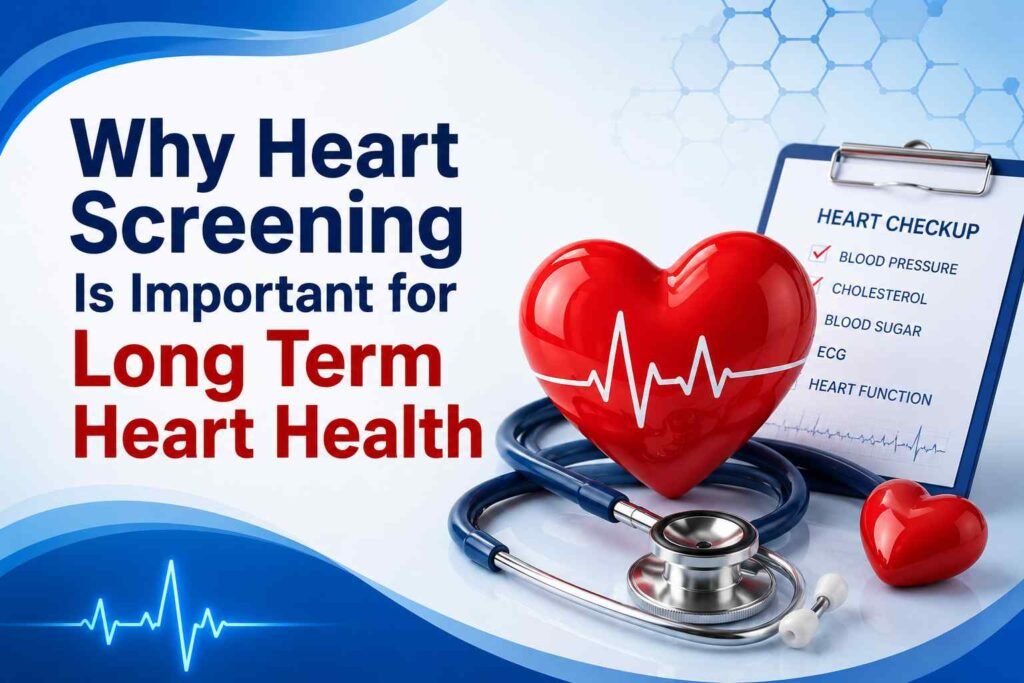
10 Powerful Reasons Why Heart Screening Is Important for Long Term Heart Health
Heart health plays a major role in overall well-being. Many heart conditions develop gradually and may not show noticeable symptoms in the early stages. This is why understanding why heart screening is important for long term heart health can help individuals take preventive steps before serious problems occur. In Thrissur, awareness about preventive healthcare is increasing as more people recognize the value of regular health assessments.
Heart screening helps identify risk factors, monitor heart function, and detect potential cardiovascular issues before they become severe. Whether a person has existing risk factors or simply wants to maintain good health, regular screening can provide valuable information about heart condition and future risks.
What Is Heart Screening
Heart screening refers to a series of medical evaluations designed to assess cardiovascular health. These tests help identify abnormalities, risk factors, and early signs of heart disease.
Common heart screening tests may include:
- Blood pressure measurement
- Cholesterol testing
- Blood sugar testing
- Electrocardiogram (ECG)
- Echocardiogram
- Stress test
- Cardiac CT scan
- Body mass index (BMI) assessment
The exact tests recommended may vary depending on age, medical history, lifestyle, and individual risk factors.
Why Heart Screening Is Important for Long Term Heart Health
Understanding why heart screening is important for long term heart health begins with recognizing that many cardiovascular diseases develop silently.
Heart screening provides an opportunity to:
- Detect problems early
- Monitor heart function
- Identify risk factors
- Prevent serious complications
- Improve long-term outcomes
Early detection often allows lifestyle changes and treatments to be implemented before significant damage occurs.
Early Detection of Hidden Heart Problems
One of the most significant reasons why heart screening is important for long term heart health is the ability to identify conditions before symptoms appear.
Some conditions that may be detected early include:
- Coronary artery disease
- Irregular heart rhythms
- Heart valve disorders
- Congenital heart abnormalities
- Enlarged heart chambers
Many individuals feel completely healthy despite underlying heart issues.
Identification of Cardiovascular Risk Factors
Heart disease is often influenced by multiple risk factors.
Screening can identify:
- High blood pressure
- High cholesterol
- Diabetes
- Obesity
- Metabolic syndrome
- Smoking-related risks
Once identified, these factors can be addressed through lifestyle changes and medical management.
Prevention of Heart Attacks
Heart attacks remain one of the leading causes of health complications worldwide.
A major reason why heart screening is important for long term heart health is its role in reducing the likelihood of heart attacks by detecting warning signs early.
Screening helps healthcare providers:
- Evaluate arterial health
- Assess cholesterol levels
- Monitor blood pressure
- Identify circulation problems
Preventive measures can then be introduced before a heart attack occurs.
Better Management of High Blood Pressure
High blood pressure is often called a silent condition because it may not produce obvious symptoms.
How High Blood Pressure Affects the Heart
Uncontrolled blood pressure can:
- Damage blood vessels
- Increase heart workload
- Raise stroke risk
- Contribute to heart failure
Regular heart screening helps track blood pressure changes over time and supports effective management.
Monitoring Cholesterol Levels
Cholesterol plays a crucial role in cardiovascular health.
Good vs Bad Cholesterol
Important cholesterol measurements include:
- LDL (Low-Density Lipoprotein)
- HDL (High-Density Lipoprotein)
- Triglycerides
- Total cholesterol
Monitoring these values helps assess cardiovascular risk and supports long-term heart protection.
Detection of Silent Heart Disease
Some heart conditions develop without symptoms for many years.
Examples include:
- Early coronary artery disease
- Mild valve disease
- Certain arrhythmias
- Structural abnormalities
Understanding why heart screening is important for long term heart health involves recognizing that silent diseases can progress unnoticed without regular evaluation.
Common Symptoms That May Require Screening
Although many heart conditions are symptom-free initially, certain warning signs should never be ignored:
- Chest discomfort
- Shortness of breath
- Dizziness
- Palpitations
- Fatigue
- Swelling in legs
- Reduced exercise tolerance
Individuals experiencing these symptoms may benefit from a detailed heart assessment.
Supporting Healthy Lifestyle Changes
Heart screening provides measurable health information that often motivates positive lifestyle changes.
Healthy Habits That Support Heart Health
- Regular exercise
- Balanced nutrition
- Weight management
- Stress reduction
- Smoking cessation
- Adequate sleep
Knowing current heart health status can encourage long-term commitment to healthier habits.
Improved Long-Term Health Planning
Another reason why heart screening is important for long term heart health is that it helps individuals make informed health decisions.
Screening results can guide:
- Dietary modifications
- Exercise programs
- Preventive medications
- Follow-up evaluations
- Risk reduction strategies
Long-term planning becomes easier when accurate health data is available.
Monitoring Existing Heart Conditions
People with diagnosed heart conditions often require ongoing monitoring.
Heart screening helps assess:
- Disease progression
- Treatment effectiveness
- Changes in heart function
- Potential complications
Regular monitoring supports timely intervention when necessary.
Enhancing Quality of Life
Maintaining cardiovascular health contributes significantly to overall quality of life.
Benefits may include:
- Improved energy levels
- Better physical performance
- Reduced risk of hospitalization
- Greater independence
- Increased longevity
This is another important reason why heart screening is important for long term heart health.
Who Should Consider Heart Screening
Heart screening may be beneficial for:
- Adults over 40 years
- Individuals with diabetes
- People with high blood pressure
- Smokers
- Those with high cholesterol
- Individuals with obesity
- People with a family history of heart disease
- Individuals experiencing cardiovascular symptoms
Healthcare providers can recommend appropriate screening schedules based on individual circumstances.
Types of Heart Screening Tests
Blood Pressure Assessment
Measures pressure within arteries and identifies hypertension.
Cholesterol Testing
Evaluates blood lipid levels and cardiovascular risk.
Blood Sugar Testing
Detects diabetes and prediabetes, both of which affect heart health.
Electrocardiogram (ECG)
Records electrical activity of the heart.
Echocardiogram
Uses ultrasound technology to visualize heart structure and function.
Stress Test
Evaluates heart performance during physical activity.
Cardiac Imaging
Provides detailed views of blood vessels and heart anatomy.
Benefits of Regular Heart Screening
Regular screening offers several advantages:
- Early disease detection
- Reduced cardiovascular risk
- Better treatment outcomes
- Improved health awareness
- Prevention-focused care
- Personalized health recommendations
- Long-term heart protection
These benefits highlight why heart screening is important for long term heart health across different age groups.
Tips for Maintaining Long-Term Heart Health
In addition to screening, consider the following strategies:
Maintain a Healthy Diet
Focus on:
- Fruits
- Vegetables
- Whole grains
- Lean proteins
- Healthy fats
Stay Physically Active
Aim for regular physical activity throughout the week.
Manage Stress
Effective stress management techniques include:
- Meditation
- Yoga
- Deep breathing
- Relaxation exercises
Avoid Tobacco Products
Smoking significantly increases cardiovascular risk.
Monitor Health Metrics
Keep track of:
- Blood pressure
- Cholesterol
- Blood sugar
- Weight
Follow Medical Advice
Attend regular health checkups and follow recommended treatment plans.
Conclusion
Understanding why heart screening is important for long term heart health can empower individuals to take a proactive approach toward cardiovascular wellness. Regular screening helps identify risks, detect hidden conditions, and support timely interventions that may reduce the likelihood of serious complications. By combining heart screening with healthy lifestyle choices, individuals can improve their chances of maintaining strong cardiovascular health for many years. For people in Thrissur and elsewhere, preventive heart care remains an important step toward a healthier future. For more information about cardiovascular disease prevention and heart health, visit the World Health Organization (WHO) .
Frequently Asked Questions
Why is heart screening important
Heart screening helps detect risk factors and heart conditions early, often before symptoms develop.
At what age should heart screening begin
Many adults benefit from screening starting around age 40, though risk factors may warrant earlier evaluation.
Can heart disease exist without symptoms
Yes. Many cardiovascular conditions develop silently and may remain unnoticed without screening.
How often should heart screening be done
The frequency depends on age, health status, and individual risk factors.
Does high cholesterol increase heart disease risk
Yes. Elevated cholesterol can contribute to plaque buildup in arteries.
Can heart screening prevent heart attacks
Screening helps identify risk factors and supports preventive measures that may reduce heart attack risk.
What tests are commonly included in heart screening
Common tests include blood pressure checks, cholesterol tests, ECGs, and blood sugar assessments.
Is heart screening only for older adults
No. Younger individuals with risk factors may also benefit from screening.
Can lifestyle changes improve heart health
Yes. Healthy eating, exercise, stress management, and avoiding tobacco can significantly support cardiovascular health.
Why is regular heart screening recommended
Regular screening helps monitor changes over time and supports early intervention when needed.