
7 warning signs that indicate you need a heart screening
Many people delay cardiac evaluation because they assume heart disease only affects older adults or those with obvious symptoms. But the truth is, the warning signs that indicate you need a heart screening are often subtle and ignoring them can have serious consequences. Heart disease remains one of the leading causes of preventable death worldwide, and early detection through timely screening is the single most effective tool to change that outcome.
If you or someone in your family has been experiencing unexplained physical changes, this blog will help you understand exactly when it is time to seek a professional cardiac evaluation.
What Does a Heart Screening Actually Involve?
Before diving into the warning signs, it helps to know what you are being screened for. A heart screening is a non-invasive set of diagnostic evaluations that assess the electrical activity, structure, blood flow, and rhythm of your heart. Tests commonly included are ECG, 2D Echo Cardiogram, Treadmill Test (TMT), Holter Monitoring, and blood pressure and cholesterol assessments.
7 Warning Signs That Indicate You Need a Heart Screening
1. Chest Pain, Pressure, or Tightness
Chest discomfort is the most widely recognised cardiac warning sign. This may feel like a squeezing pressure, a burning sensation, or a dull ache in the centre or left side of the chest. It may last a few seconds or persist for several minutes. Some people mistake it for acidity or muscle pull and delay seeking care.
Any recurring or unexplained chest pain should be evaluated immediately. This is one of the clearest warning signs that indicate you need a heart screening, particularly if the discomfort radiates to your jaw, left arm, shoulder, or back.
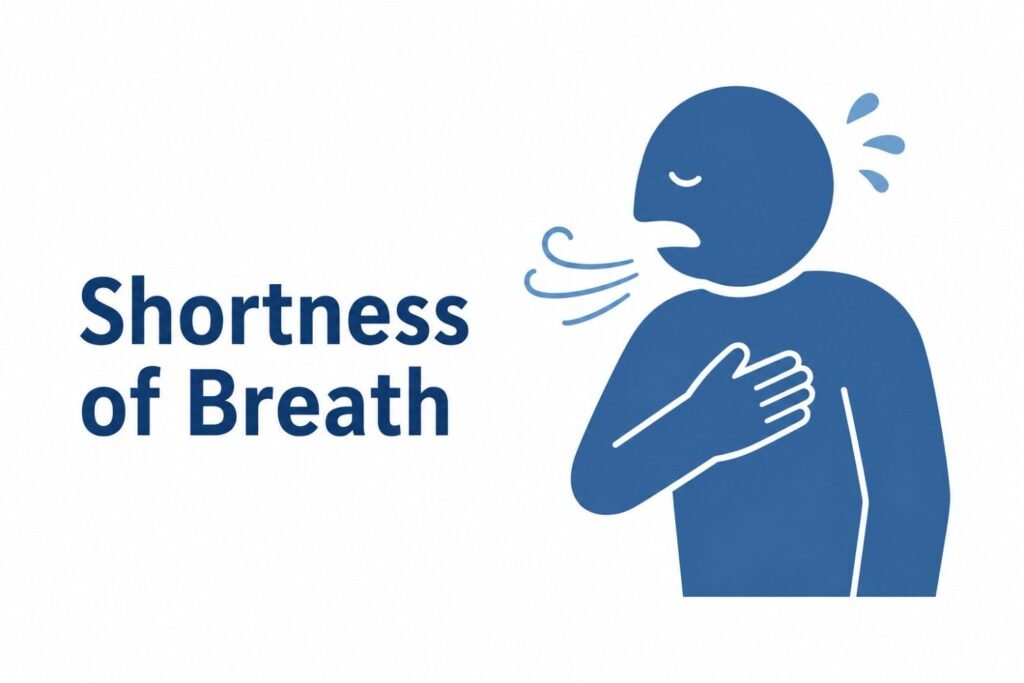
2. Shortness of Breath Without Obvious Cause
If you find yourself breathless after climbing a single flight of stairs, walking a short distance, or even at rest, your heart may be struggling to pump blood efficiently. Breathlessness that occurs during minimal physical exertion or wakes you from sleep is a strong indicator of reduced cardiac function.
This symptom is frequently overlooked because people attribute it to being unfit or overweight. However, unexplained breathlessness is consistently listed by cardiologists among the top warning signs that indicate you need a heart screening.
3. Heart Palpitations or Irregular Heartbeat
An occasional fluttering or skipped beat may be harmless. But frequent palpitations — especially when accompanied by dizziness, breathlessness, or chest tightness — may point to arrhythmia or other electrical abnormalities of the heart.
Conditions like atrial fibrillation, if left undetected, significantly increase the risk of stroke. A Holter Monitor test, which records heart rhythm over 24 to 48 hours, can detect irregularities that a standard ECG might miss. If you frequently notice your heart racing, pounding, or skipping, this is among the warning signs that indicate you need a heart screening without delay.
4. Unexplained Fatigue and Low Energy
Persistent tiredness that does not improve with rest is one of the more underestimated warning signs of heart disease. When the heart is not pumping efficiently, the body diverts blood away from non-essential areas to protect vital organs — leaving you feeling exhausted without a clear reason.
This type of fatigue is different from tiredness after a long day. It is a deep, persistent exhaustion that affects your ability to carry out routine activities. Women especially tend to experience this symptom as a primary cardiac warning sign rather than chest pain. If chronic fatigue is accompanied by swollen ankles or breathlessness, these are definite warning signs that indicate you need a heart screening.
5. Dizziness, Lightheadedness, or Fainting
Sudden episodes of dizziness, near-fainting, or loss of consciousness can be caused by a drop in blood pressure, reduced blood flow to the brain, or an abnormal heart rhythm. These episodes may last only a few seconds but must never be dismissed as trivial.
Frequent or recurring dizziness particularly when accompanied by chest discomfort or palpitations warrants urgent cardiac evaluation. According to the American Heart Association, sudden lightheadedness combined with other symptoms is a recognised emergency indicator.
6. Swelling in the Legs, Ankles, or Feet
Oedema swelling caused by fluid accumulation in the lower limbs can be a sign that the heart is not pumping strongly enough to maintain healthy circulation. When cardiac output is reduced, fluid backs up in the veins and leaks into surrounding tissue, causing visible swelling, particularly at the end of the day.
While swelling alone may have other causes, when it occurs alongside fatigue, breathlessness, or reduced exercise tolerance, it forms a pattern that is among the warning signs that indicate you need a heart screening as soon as possible.
7. High Blood Pressure or High Cholesterol With No Symptoms
This is a silent but critical category. Both hypertension and high cholesterol can cause progressive arterial damage over years without producing any noticeable symptoms. Many people live with these conditions unmanaged simply because they feel fine.
Uncontrolled high blood pressure forces the heart to work harder over time, leading to enlargement, stiffening, and eventual failure. High LDL cholesterol causes plaque build-up in the arteries, narrowing them and raising the risk of heart attack. Regular screening is the only reliable way to detect and manage these conditions before they cause irreversible damage.
Who Is at Highest Risk and Should Not Wait?
Certain individuals carry a higher baseline risk for cardiovascular events and should prioritise regular screening regardless of whether they experience the warning signs listed above.
High-risk groups include:
- Adults above 40 years of age
- People with a family history of heart attack or stroke
- Individuals with Type 1 or Type 2 diabetes
- Those who smoke or have a history of smoking
- People with a BMI classified as obese
- Individuals with chronic kidney disease or thyroid disorders
- Those under prolonged high stress or with sedentary lifestyles
If you fall into one or more of these categories and have also noticed any of the warning signs that indicate you need a heart screening, do not wait for symptoms to worsen. Early evaluation is always a safer choice.
Why Timing Matters: The Case for Early Screening
The cardiovascular system rarely fails suddenly without prior signals. In most cases, heart disease progresses through identifiable stages from early arterial changes detectable by imaging, to measurable rhythm changes visible on ECG, to symptomatic stages where organ damage may already be occurring.
Screening during the earlier stages even before symptoms appear allows doctors to intervene with lifestyle guidance, medication, or closer monitoring before the condition escalates. Studies published by the World Heart Federation and the American College of Cardiology consistently support that early cardiac screening reduces hospitalisation, lowers mortality, and significantly improves quality of life.
What to Do If You Notice These Warning Signs
If you have identified one or more of the warning signs that indicate you need a heart screening, here are the recommended steps:
- Do not self-diagnose. Symptoms overlap across many conditions and require professional evaluation.
- Schedule a cardiac screening appointment with a qualified healthcare provider without delay.
- Bring a list of your symptoms including when they started, how frequently they occur, and any triggering factors.
- Inform your doctor about any medications, supplements, or pre-existing conditions.
- Ask about a personalised screening plan based on your age, risk profile, and family history.
For professional cardiac screening with advanced diagnostic capabilities, Avenue Medicare’s heart screening in Thrissur offers comprehensive evaluation packages suited to different age groups and risk profiles.
Conclusion
Your heart sends signals before it fails the challenge is learning to listen. From chest discomfort and breathlessness to unexplained fatigue and leg swelling, the warning signs that indicate you need a heart screening are real, recognisable, and actionable. Do not wait for a cardiac event to confirm what preventive screening could have detected months earlier.
Routine cardiac evaluation, combined with a heart-healthy lifestyle and regular medical guidance, remains the most reliable path to long-term cardiovascular wellness. If any of the signs discussed in this blog feel familiar, consider it your cue to schedule a heart screening today