
Is Ultrasound Safe for Mother and Baby? Understanding Pregnancy Ultrasound Safety

Pregnancy is a time filled with important health decisions, and many expectant parents have questions about prenatal imaging. One of the most common concerns is: Is Ultrasound Safe for Mother and Baby? Ultrasound examinations have been used in pregnancy care for decades and remain one of the most widely utilized diagnostic tools for monitoring fetal development and maternal health.
Understanding how ultrasound works, why it is performed, and its role in prenatal care can help parents feel more confident throughout their pregnancy journey.
What Is a Pregnancy Ultrasound?
Before answering the question, Is Ultrasound Safe for Mother and Baby?, it is important to understand what an ultrasound examination involves.
Ultrasound imaging uses high-frequency sound waves to create real-time images of the developing baby and structures within the uterus.
Unlike X-rays and certain other imaging techniques, ultrasound does not use ionizing radiation.
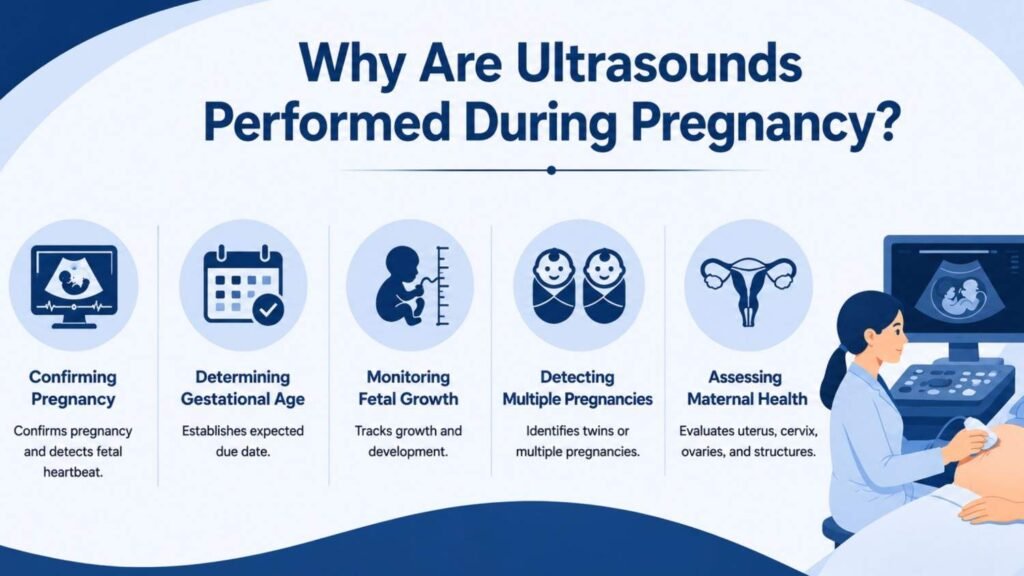
Pregnancy ultrasounds are commonly used to assess:
- Fetal growth and development
- Pregnancy viability
- Fetal heartbeat
- Gestational age
- Placental position
- Amniotic fluid levels
- Multiple pregnancies
- Maternal pelvic structures
These assessments help healthcare providers monitor pregnancy progression and provide appropriate medical guidance.
Is Ultrasound Safe for Mother and Baby?
Current medical evidence supports the use of ultrasound as a safe and valuable tool during pregnancy when performed appropriately by trained healthcare professionals.
Ultrasound has been used worldwide for many years and continues to play an important role in prenatal care.
Key reasons why ultrasound is widely accepted include:
Non-Invasive Procedure
The examination is performed externally in most cases and does not involve surgery or invasive techniques.
Real-Time Monitoring
Ultrasound provides immediate information about fetal development and pregnancy progress.
Widely Used in Prenatal Care
Healthcare professionals routinely use ultrasound examinations throughout pregnancy to support maternal and fetal wellbeing.
No Radiation Exposure
Ultrasound uses sound waves rather than radiation to create images.
How Does Ultrasound Work?
Understanding the technology behind ultrasound can help answer the question, is Ultrasound Safe for Mother and Baby?
During the examination:
- A handheld device called a transducer is used.
- The transducer emits high-frequency sound waves.
- Sound waves reflect off internal structures.
- A computer converts the returning signals into images.
These images allow healthcare providers to evaluate pregnancy development without exposing the mother or baby to radiation.
Types of Pregnancy Ultrasound Examinations
Different scans may be recommended throughout pregnancy.
Early Pregnancy Ultrasound
This scan may be used to:
- Confirm pregnancy
- Detect fetal heartbeat
- Estimate gestational age
- Assess viability
Dating Scan
A dating scan helps establish pregnancy duration and expected delivery date.
Anomaly Scan
This detailed examination evaluates fetal anatomy and development.
Growth Scan
Growth scans monitor fetal size and overall wellbeing during later stages of pregnancy.
Women seeking routine prenatal imaging can learn more about Pregnancy Ultrasound Thrissur services and their role in pregnancy monitoring.
Benefits of Pregnancy Ultrasound
Pregnancy ultrasound offers several important benefits.
Early Reassurance
Visual confirmation of fetal development can provide peace of mind for expectant parents.
Accurate Pregnancy Monitoring
Ultrasound helps track fetal growth and pregnancy progression.
Improved Medical Planning
Accurate information supports better prenatal care decisions.
Safe Imaging Method
Ultrasound provides valuable diagnostic information without radiation exposure.
Timely Detection of Concerns
Certain pregnancy-related conditions can be identified earlier for appropriate monitoring.
Common Concerns About Ultrasound Safety
Many parents naturally have questions about ultrasound examinations.
Can Ultrasound Harm the Baby?
Ultrasound is generally considered safe when performed by qualified healthcare professionals for appropriate medical purposes.
Can Multiple Ultrasounds Be Performed During Pregnancy?
The number of ultrasounds varies depending on individual pregnancy needs and healthcare provider recommendations.
Does Ultrasound Cause Pain?
Most ultrasound examinations are painless and well tolerated.
Is Ultrasound Safe Throughout Pregnancy?
Ultrasound may be used at different stages of pregnancy when medically indicated.
What to Expect During an Ultrasound Appointment
Understanding the procedure can help reduce anxiety.
Before the Scan
Patients may be advised to:
- Drink water before the examination
- Wear comfortable clothing
- Bring previous medical records if available
During the Scan
The healthcare professional applies a gel to the abdomen and moves the transducer across the skin.
The procedure is generally:
- Comfortable
- Non-invasive
- Safe
- Relatively quick
After the Scan
Images are reviewed and findings are discussed as appropriate.
How Ultrasound Supports Healthy Pregnancy Care
Ultrasound examinations play an important role in comprehensive prenatal care.
They help healthcare providers:
- Monitor fetal development
- Assess pregnancy progression
- Evaluate maternal health
- Guide clinical decision-making
- Provide reassurance to expectant parents
Routine imaging assessments contribute to informed pregnancy management throughout each stage of development.
Related Pregnancy Imaging Information
Pregnancy ultrasound examinations form part of a broader prenatal monitoring approach that helps assess fetal growth and maternal wellbeing throughout pregnancy. To gain a deeper understanding of prenatal imaging and routine pregnancy assessments, learn more about pregnancy scanning services.
Conclusion
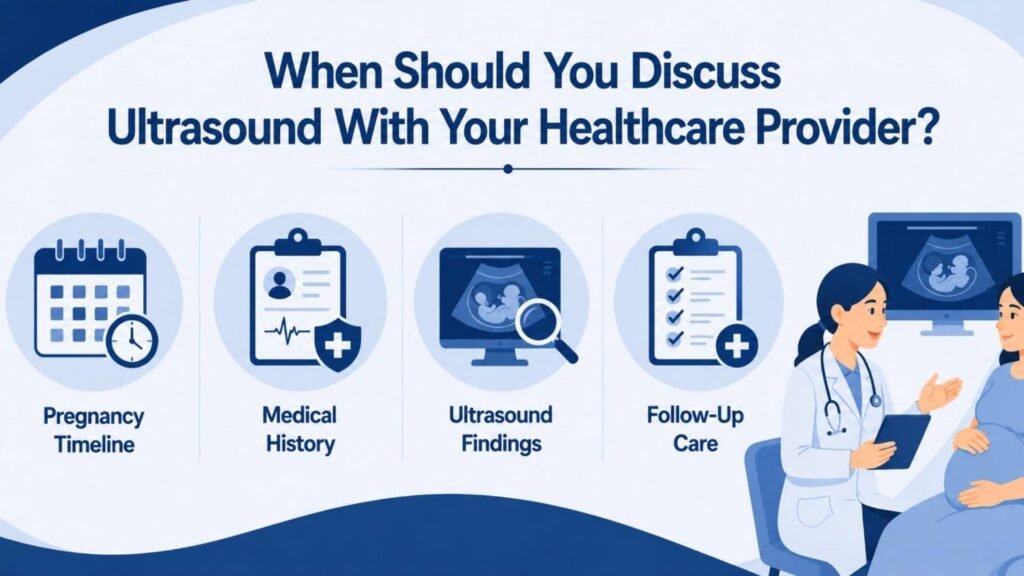
When asking is Ultrasound Safe for Mother and Baby?, current medical evidence supports ultrasound as a safe and valuable diagnostic tool when performed appropriately by qualified healthcare professionals. Ultrasound examinations help monitor fetal development, assess maternal health, estimate gestational age, and support informed prenatal care decisions throughout pregnancy. Understanding how ultrasound works and why it is used can help expectant parents feel more confident and reassured during their pregnancy journey.
For additional information about imaging during pregnancy, readers can explore understanding pregnancy ultrasound examinations from reputable medical organizations.