
Who Should Undergo Heart Screening? A Complete Guide to Preventive Cardiac Care
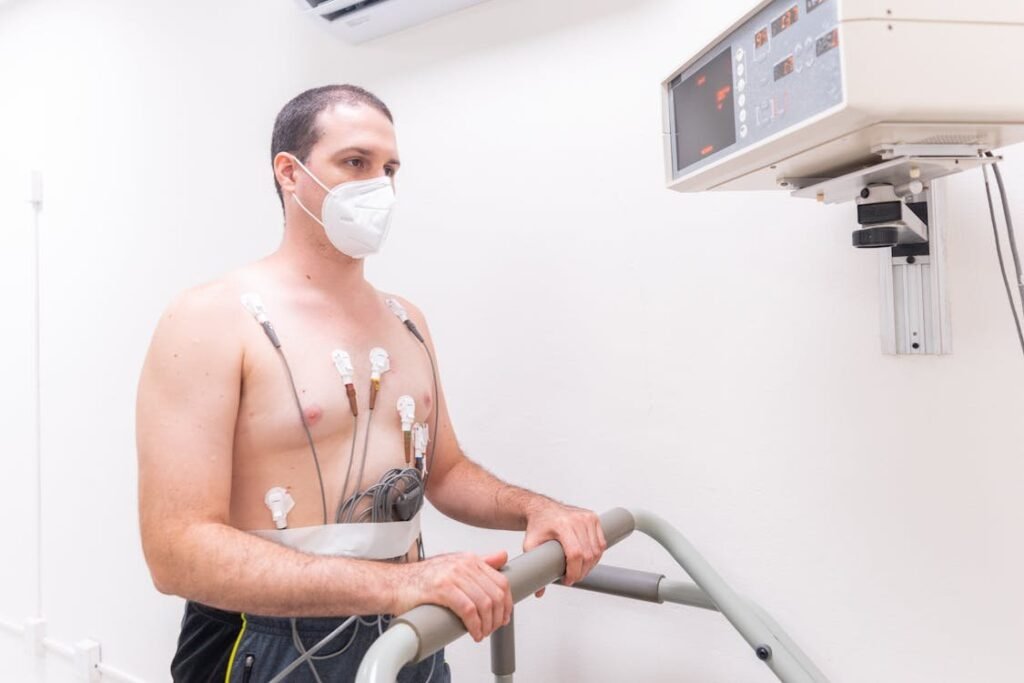
Understanding who should undergo heart screening is an important step toward maintaining good cardiovascular health and preventing serious heart conditions. Many heart diseases develop gradually and may not show obvious symptoms during the early stages. Regular cardiac evaluation can help identify potential problems before they become severe, allowing timely medical intervention and better long-term outcomes. Individuals considering preventive cardiac assessment may also benefit from understanding the role of heart screening in Thrissur in identifying cardiovascular risk factors and supporting early diagnosis.
Heart screening involves a variety of diagnostic tests that assess heart structure, blood flow, rhythm, and overall function. These assessments are valuable for individuals with symptoms, existing medical conditions, family history of heart disease, or lifestyle-related risk factors. Learning who should undergo heart screening can help individuals make informed decisions about preventive healthcare and early detection.
Table of Contents
1. What is Heart Screening?
2. Why Heart Screening is Important
3. Who Should Undergo Heart Screening
4. Individuals with High Blood Pressure
5. People with Diabetes
6. Individuals with a Family History of Heart Disease
7. People Experiencing Cardiac Symptoms
8. Smokers and Former Smokers
9. Individuals with High Cholesterol
10. People Who Are Overweight or Obese
11. Benefits of Early Heart Screening
12. How Heart Screening Supports Preventive Care
13. Conclusion
1. What is Heart Screening?
Heart screening refers to a series of diagnostic evaluations used to assess cardiovascular health and detect potential abnormalities. These tests help evaluate the heart’s structure, rhythm, blood flow, and pumping function.
Common screening methods include:
- Electrocardiogram (ECG)
- 2D Echo Cardiogram
- Treadmill Test (TMT)
- Holter Monitoring
- Blood Pressure Assessment
- Ultrasound and Doppler Studies
These diagnostic tools help identify risk factors and detect heart conditions at an early stage.
2. Why Heart Screening is Important
Many cardiovascular conditions progress silently without noticeable symptoms. Understanding who should undergo heart screening helps individuals take preventive action before complications develop.
Heart screening can help:
- Detect heart disease early
- Monitor existing heart conditions
- Assess cardiovascular risk
- Guide treatment decisions
- Support preventive healthcare
Early detection often leads to better management and improved outcomes.
3. Who Should Undergo Heart Screening
Several groups of people can benefit from regular cardiac evaluation. Understanding who should undergo heart screening is essential for preventing serious cardiovascular complications.
Heart screening may be recommended for:
- Individuals with risk factors
- People experiencing symptoms
- Adults with chronic medical conditions
- Individuals with a family history of heart disease
- Those seeking preventive health assessments
4. Individuals with High Blood Pressure
High blood pressure places additional strain on the heart and blood vessels. Over time, it can contribute to structural changes and increase the risk of heart disease.
Patients with hypertension may benefit from regular screening to evaluate:
- Heart muscle function
- Blood flow patterns
- Cardiac performance
- Early signs of heart-related complications
This makes high blood pressure one of the key reasons who should undergo heart screening.
5. People with Diabetes
Diabetes can affect blood vessels and significantly increase cardiovascular risk. Many individuals with diabetes may not realize the impact the condition can have on heart health.
Regular screening can help monitor:
- Heart function
- Blood circulation
- Structural heart changes
- Cardiovascular risk factors
People with diabetes are among the most important groups who should undergo heart screening.
6. Individuals with a Family History of Heart Disease
Genetics can play a major role in cardiovascular health. Individuals with close family members who have experienced heart disease may have an increased risk themselves.
Heart screening helps:
- Identify inherited risks
- Monitor heart health proactively
- Detect abnormalities early
- Support preventive care planning
Understanding family history is essential when determining who should undergo heart screening.
7. People Experiencing Cardiac Symptoms
Certain symptoms should never be ignored because they may indicate underlying heart problems.
Common symptoms include:
Chest Pain
Persistent or recurring chest discomfort requires medical evaluation.
Shortness of Breath
Difficulty breathing during activity or rest may indicate cardiovascular issues.
Palpitations
Unusual heartbeats or irregular rhythms may require further assessment.
Dizziness
Frequent dizziness or fainting episodes may be linked to heart conditions.
Individuals experiencing these symptoms should consider prompt heart screening.
8. Smokers and Former Smokers
Smoking damages blood vessels and increases the risk of cardiovascular disease. Even former smokers may benefit from regular cardiac evaluation.
Heart screening can help identify:
- Circulatory issues
- Heart function abnormalities
- Cardiovascular risk factors
- Early signs of heart disease
Smoking history is another important factor when considering who should undergo heart screening.
9. Individuals with High Cholesterol
Elevated cholesterol levels contribute to plaque buildup within arteries, increasing the risk of heart attacks and other cardiovascular conditions.
Regular heart screening may help:
- Assess cardiovascular risk
- Monitor heart health
- Detect complications early
- Support treatment planning
People with high cholesterol are often advised to undergo preventive cardiac evaluation.
10. People Who Are Overweight or Obese
Excess body weight can place additional strain on the heart and increase the risk of several cardiovascular conditions.
Heart screening may help evaluate:
- Heart function
- Blood pressure effects
- Circulation health
- Cardiovascular risk factors
Weight-related health concerns often contribute to who should undergo heart screening.
11. Benefits of Early Heart Screening
Understanding who should undergo heart screening also highlights the value of early detection.
Benefits include:
- Timely diagnosis
- Better treatment outcomes
- Reduced risk of complications
- Improved quality of life
- Ongoing monitoring of heart health
Preventive screening remains one of the most effective ways to support cardiovascular wellness.
12. How Heart Screening Supports Preventive Care
Heart screening plays an important role in preventive healthcare by identifying risk factors before major problems develop.
Combined with healthy lifestyle habits such as:
- Regular exercise
- Balanced nutrition
- Weight management
- Stress reduction
- Smoking cessation
Screening supports long-term heart health and overall well-being.
13. Conclusion
Understanding who should undergo heart screening is essential for protecting long-term cardiovascular health. Individuals with high blood pressure, diabetes, high cholesterol, obesity, family history of heart disease, smoking history, or concerning symptoms may benefit from regular cardiac evaluation. Early detection allows healthcare providers to identify problems before they become severe and helps support timely treatment decisions.
Preventive heart screening, combined with healthy lifestyle choices and routine medical care, can significantly reduce the risk of serious cardiovascular complications. For additional information about heart disease prevention and heart health management, visit the American Heart Association Heart Health Resources. You can also refer to the National Heart, Lung, and Blood Institute Heart Health Guide for evidence-based information on cardiovascular wellness, heart disease prevention, and healthy living strategies. Regular screening remains one of the most effective tools for maintaining a healthy heart and improving overall quality of life.