
Echo Test in Thrissur: Understanding the Importance of Cardiac Ultrasound for Heart Health
Heart disease often develops gradually and may not show noticeable symptoms until it reaches an advanced stage. An Echo Test in Thrissur is one of the most valuable diagnostic tools used to evaluate the structure and function of the heart. By using safe ultrasound technology, an echo test helps healthcare professionals identify various heart conditions early, allowing timely diagnosis and appropriate treatment. Whether you are experiencing symptoms or have risk factors for cardiovascular disease, an echo test provides important information about your heart’s overall health.
A comprehensive Echo Test in Thrissur is a non-invasive imaging procedure that creates real-time pictures of the heart. It allows doctors to assess heart chambers, heart valves, blood flow, and pumping function without exposing patients to radiation. The test is commonly recommended for individuals with chest pain, shortness of breath, heart murmurs, palpitations, high blood pressure, or suspected heart disease. Regular heart evaluations, including an echo test when appropriate, play an important role in maintaining long-term cardiovascular health and preventing serious complications.
What is an Echo Test?
An Echo Test in Thrissur is a diagnostic imaging procedure that uses high-frequency sound waves (ultrasound) to produce detailed images of the heart. Unlike X-rays or CT scans, an echocardiogram does not use radiation, making it a safe and widely used investigation for evaluating heart health.
The test provides real-time images that allow healthcare professionals to observe how the heart beats, how blood flows through its chambers, and how well the heart valves function.
An Echo Test in Thrissur helps evaluate:
- Heart chamber size
- Heart muscle function
- Heart valve structure
- Blood flow through the heart
- Pumping efficiency
- Congenital heart abnormalities
- Fluid around the heart
Because it is painless and non-invasive, an echo test is commonly used for both diagnosing heart conditions and monitoring existing cardiovascular diseases. While an echocardiogram evaluates the heart’s structure and function in detail, it is often performed as part of a broader cardiovascular assessment. To understand how different diagnostic tests work together to evaluate heart health, read our Heart Screening guide.
Why is an Echo Test Important?
An Echo Test in Thrissur plays a significant role in diagnosing heart conditions that may not be detected during a routine physical examination. It provides detailed information about the heart’s anatomy and function, helping healthcare providers make accurate clinical decisions.
Some of the major reasons why an echo test is important include:
Evaluates Heart Function
The test measures how effectively the heart pumps blood throughout the body, helping identify reduced heart function or heart failure.
Detects Structural Heart Problems
An echo test can identify abnormalities involving the heart chambers, heart walls, and major blood vessels connected to the heart.
Assesses Heart Valve Function
Heart valves regulate blood flow through the heart. An Echo Test in Thrissur helps detect narrowed, leaking, or damaged valves that may require monitoring or treatment.
Identifies Congenital Heart Defects
Certain individuals are born with structural heart abnormalities. Echocardiography helps diagnose these conditions accurately.
Supports Treatment Planning
Detailed imaging allows doctors to determine the severity of heart disease and recommend appropriate treatment, medication, or further investigations.
Monitors Existing Heart Conditions
Patients already diagnosed with heart disease may undergo periodic Echo Test in Thrissur evaluations to monitor changes in heart function and assess treatment effectiveness.
Because of its accuracy and safety, echocardiography remains one of the most important investigations in modern cardiology.
Who Should Consider an Echo Test?
Although an Echo Test in Thrissur is commonly recommended for individuals with heart-related symptoms, it is also valuable for monitoring existing cardiovascular conditions and evaluating people with increased cardiac risk.
Individuals with Chest Pain
Persistent chest pain or discomfort should always be evaluated to determine whether it is related to the heart.
People Experiencing Shortness of Breath
Difficulty breathing during daily activities or while resting may indicate heart valve disease, heart failure, or other cardiac conditions.
Individuals with Heart Murmurs
An abnormal heart sound detected during a physical examination often requires an echocardiogram to evaluate heart valve function.
Patients with High Blood Pressure
Long-standing hypertension can affect the heart muscle and reduce pumping efficiency. Regular evaluation helps detect these changes early.
People with Palpitations
Frequent or persistent palpitations may require additional investigations, including an echocardiogram, to identify structural heart abnormalities.
Individuals with a Family History of Heart Disease
People with close relatives diagnosed with heart disease may benefit from an Echo Test in Thrissur if recommended by their healthcare provider.
Patients with Existing Heart Conditions
Individuals diagnosed with heart failure, valve disease, congenital heart disease, or cardiomyopathy often undergo periodic echocardiograms to monitor disease progression.
Individuals Recovering from a Heart Attack
An echo test helps evaluate heart muscle damage and determine how well the heart is functioning after a cardiac event.
An Echo Test in Thrissur is recommended whenever healthcare providers need detailed information about the heart’s structure and performance.
Common Symptoms That May Require an Echo Test
Certain symptoms may indicate underlying heart disease and should never be ignored. An Echo Test in Thrissur helps identify the cause of these symptoms by providing detailed images of the heart.
Chest Pain
Persistent chest pain or pressure may indicate coronary artery disease or other cardiovascular conditions that require further evaluation.
Shortness of Breath
Breathing difficulty during physical activity or while lying down may be associated with heart failure or heart valve disease.
Swelling in the Legs or Feet
Fluid accumulation in the lower limbs can occur when the heart is unable to pump blood efficiently.
Fatigue
Persistent tiredness without a clear explanation may indicate reduced heart function.
Palpitations
Rapid, irregular, or forceful heartbeats may sometimes be associated with structural heart abnormalities.
Dizziness or Fainting
Frequent dizziness or episodes of fainting may occur due to reduced blood flow or certain heart conditions.
Heart Murmur
A heart murmur heard during examination often requires an echocardiogram to evaluate heart valve function and blood flow.
Early diagnosis through an Echo Test in Thrissur helps determine the underlying cause of these symptoms and supports timely medical care.
What Can an Echo Test Detect?
An Echo Test in Thrissur provides comprehensive information about heart structure and function, making it one of the most useful cardiac investigations available.
Heart Valve Disease
The test identifies valves that are narrowed, leaking, or not functioning properly.
Heart Failure
An echocardiogram measures how effectively the heart pumps blood and helps diagnose heart failure.
Cardiomyopathy
Changes in the heart muscle, including thickening or weakening, can be accurately evaluated.
Congenital Heart Defects
Structural abnormalities present from birth can be identified using detailed ultrasound images.
Pericardial Effusion
An echo test can detect excess fluid surrounding the heart that may interfere with normal function.
Blood Clots Inside the Heart
In certain situations, echocardiography helps identify blood clots that increase the risk of stroke or other complications.
Enlarged Heart Chambers
The test measures the size of the heart chambers and identifies enlargement caused by hypertension, valve disease, or heart failure.
Reduced Pumping Function
An Echo Test in Thrissur measures the heart’s pumping efficiency, commonly referred to as the ejection fraction, which is an important indicator of overall heart function.
Abnormal Blood Flow
Using Doppler imaging, an echocardiogram evaluates the direction and speed of blood flow through the heart, helping detect circulation abnormalities.
Each of these findings provides valuable information that supports accurate diagnosis, effective treatment planning, and ongoing monitoring of cardiovascular health.
Benefits of an Echo Test
An Echo Test in Thrissur offers valuable insights into the health and function of your heart. Since it provides real-time images of the heart without the use of radiation, it is considered one of the safest and most reliable diagnostic investigations available. Whether performed as part of preventive care or to investigate symptoms, an echocardiogram plays a crucial role in early diagnosis and effective treatment planning.
Early Detection of Heart Conditions
One of the greatest advantages of an Echo Test in Thrissur is its ability to detect heart abnormalities before they become severe. Early identification of structural or functional changes allows healthcare providers to begin treatment sooner and reduce the risk of complications.
Accurate Assessment of Heart Function
An echocardiogram provides detailed information about how well the heart pumps blood throughout the body. This helps evaluate overall cardiac performance and identify conditions that may affect normal heart function.
Non-Invasive and Painless
Unlike many advanced diagnostic procedures, an Echo Test in Thrissur is completely non-invasive. The test does not involve needles, surgery, or radiation, making it suitable for people of different age groups.
Supports Better Treatment Planning
The detailed images produced during an echo test help healthcare professionals understand the severity of heart conditions and recommend the most appropriate treatment, medication, or follow-up investigations.
Monitors Existing Heart Disease
Individuals already diagnosed with heart disease often undergo periodic echocardiograms to evaluate treatment effectiveness and monitor changes in heart function over time.
Safe for Repeated Evaluations
Because ultrasound technology does not use ionizing radiation, an Echo Test in Thrissur can be repeated whenever necessary without exposing patients to radiation-related risks.
Regular echocardiography helps doctors make informed decisions while giving patients greater confidence in managing their heart health.
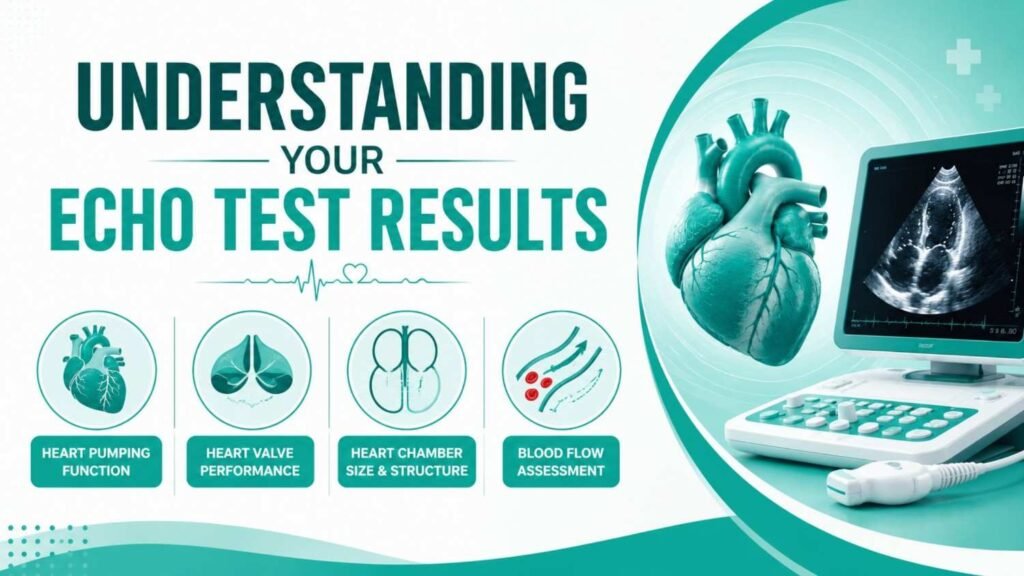
Understanding the Conditions Diagnosed by an Echo Test
An Echo Test in Thrissur helps diagnose a wide range of cardiovascular conditions by providing clear images of the heart’s structure, movement, and blood flow. It is frequently used alongside other cardiac investigations to confirm diagnoses and guide treatment.
Heart Valve Disorders
Heart valves ensure blood flows in the correct direction. An echocardiogram can identify valves that are narrowed, leaking, thickened, or not functioning properly.
Heart Failure
An echo test measures the heart’s pumping ability and helps determine whether heart failure is present. It also evaluates the severity of the condition.
Cardiomyopathy
Diseases affecting the heart muscle can cause it to become enlarged, thickened, or weakened. An Echo Test in Thrissur helps assess these structural changes accurately.
Congenital Heart Disease
Certain structural abnormalities are present from birth. Echocardiography helps diagnose congenital heart defects in both children and adults.
Pericardial Disease
The test can detect fluid accumulation around the heart and identify inflammation or thickening of the protective sac surrounding the heart.
Pulmonary Hypertension
An echocardiogram can estimate pressure within the pulmonary arteries, helping identify pulmonary hypertension and evaluate its impact on heart function.
Blood Clots and Cardiac Masses
In selected cases, an Echo Test in Thrissur helps identify blood clots, tumors, or abnormal growths inside the heart that may require further evaluation.
Enlarged Heart Chambers
The test measures the size of each heart chamber and helps identify enlargement caused by hypertension, valve disease, or other cardiovascular conditions.
Detecting these conditions early allows healthcare providers to recommend timely treatment and ongoing monitoring when required.
Preparing for an Echo Test
Preparing for an Echo Test in Thrissur is generally straightforward. Most standard transthoracic echocardiograms require little or no special preparation, making the procedure convenient for patients.
Wear Comfortable Clothing
Loose and comfortable clothing makes it easier to prepare for the examination. In most cases, patients may be asked to change into a hospital gown before the procedure.
Carry Previous Medical Reports
Bring any previous ECGs, echocardiograms, blood investigations, or other cardiac reports if available. Comparing earlier results helps assess changes in heart function over time.
Inform Your Healthcare Provider About Medications
Tell your doctor about all medications, vitamins, or supplements you are taking. Although most medicines can be continued, certain situations may require additional instructions.
Follow Specific Instructions if Required
Some specialized echocardiograms, such as stress echocardiography or transesophageal echocardiography, may require temporary fasting or other preparation. Always follow the instructions provided before your appointment.
Discuss Your Symptoms
Inform your healthcare provider if you have experienced:
- Chest pain
- Shortness of breath
- Swelling of the legs
- Palpitations
- Dizziness
- Fatigue
- Fainting episodes
Providing accurate information helps ensure the Echo Test in Thrissur addresses your specific clinical concerns.
Proper preparation contributes to a smooth procedure and allows healthcare professionals to obtain the most accurate diagnostic information.
What to Expect During an Echo Test
Many individuals undergoing their first Echo Test in Thrissur are unsure about what happens during the procedure. Fortunately, the examination is simple, painless, and usually completed within a short period.
Initial Assessment
Before the procedure begins, your healthcare provider reviews your medical history, symptoms, and previous cardiac investigations.
Positioning for the Examination
You will usually lie comfortably on an examination table, often on your left side, to allow better visualization of the heart.
Application of Ultrasound Gel
A clear gel is applied to the chest to improve contact between the ultrasound probe and the skin. This helps produce clear images of the heart.
Image Acquisition
A handheld device called a transducer is moved across different areas of the chest. It sends and receives ultrasound waves, creating detailed real-time images of the heart.
During the examination, the healthcare provider evaluates:
- Heart chambers
- Heart valves
- Blood flow
- Heart muscle movement
- Pumping efficiency
- Overall cardiac structure
Doppler Evaluation
Many Echo Test in Thrissur examinations include Doppler imaging, which measures the speed and direction of blood flow through the heart and major blood vessels.
Review of Findings
After the examination is complete, the images are reviewed, and the findings are interpreted by the healthcare provider. Depending on the results, further investigations, treatment, or follow-up evaluations may be recommended.
Most standard echocardiograms are completed within 30 to 60 minutes, and patients can usually resume their normal activities immediately afterward.
How Often Should You Get an Echo Test?
The frequency of an Echo Test in Thrissur depends on your symptoms, age, existing heart conditions, and overall cardiovascular risk. Not everyone requires routine echocardiography, but certain individuals may benefit from periodic evaluations.
Individuals Without Symptoms
Healthy individuals generally do not require regular echocardiograms unless recommended because of family history, abnormal examination findings, or other risk factors.
People with Heart Valve Disease
Patients diagnosed with valve disorders often undergo periodic echocardiograms to monitor disease progression and determine whether treatment plans need adjustment.
Individuals with Heart Failure
Regular Echo Test in Thrissur evaluations help assess pumping function and monitor how well treatment is controlling heart failure.
Patients Recovering from a Heart Attack
Following a heart attack, an echocardiogram helps evaluate heart muscle recovery and identify any complications affecting heart function.
Individuals with Congenital Heart Disease
People born with structural heart abnormalities may require routine echocardiograms throughout life to monitor their condition.
When New Symptoms Develop
Regardless of previous test results, an echocardiogram may be recommended if symptoms such as chest pain, breathlessness, swelling of the legs, palpitations, dizziness, or fainting occur.
The need for repeated Echo Test in Thrissur evaluations should always be determined by a healthcare professional based on your individual health needs and medical history.
Echo Tests for Different Age Groups
An Echo Test in Thrissur is a valuable diagnostic investigation for people of all ages. The need for an echocardiogram depends on individual symptoms, medical history, and cardiovascular risk factors. Regular evaluations help identify heart abnormalities early and support timely medical care.
Young Adults (20–40 Years)
Although younger adults generally have a lower risk of heart disease, an Echo Test in Thrissur may be recommended for individuals who experience heart-related symptoms or have a family history of cardiovascular conditions.
An echocardiogram may be advised for young adults with:
- Chest pain
- Heart murmurs
- Palpitations
- Congenital heart abnormalities
- Family history of inherited heart disease
Early evaluation helps establish a baseline for future heart health monitoring.
Middle-Aged Adults (40–60 Years)
As cardiovascular risk gradually increases with age, routine heart evaluations become increasingly important. An Echo Test in Thrissur helps detect structural heart changes, valve disorders, and reduced pumping function before significant complications develop.
Individuals in this age group may benefit from echocardiography if they have:
- High blood pressure
- Diabetes
- High cholesterol
- Obesity
- Persistent cardiac symptoms
- History of cardiovascular disease
Regular assessments allow healthcare providers to recommend appropriate preventive measures and treatment when necessary.
Older Adults (Above 60 Years)
Older adults are more likely to develop heart valve disease, heart failure, and age-related structural heart changes. Periodic Echo Test in Thrissur evaluations help monitor these conditions and support better long-term management.
Routine monitoring allows early diagnosis, timely treatment, and improved quality of life for individuals living with chronic heart disease.
Lifestyle Habits That Support Heart Health
Although an Echo Test in Thrissur provides valuable information about heart function, maintaining a healthy lifestyle remains essential for protecting your cardiovascular health. Combining regular heart evaluations with healthy daily habits significantly reduces the risk of developing heart disease.
Follow a Heart-Healthy Diet
Choose foods that support cardiovascular wellness, including:
- Fresh fruits
- Green leafy vegetables
- Whole grains
- Lean proteins
- Fish rich in omega-3 fatty acids
- Nuts and seeds
Limit foods that are high in:
- Saturated fats
- Trans fats
- Excess salt
- Added sugars
- Processed foods
A balanced diet helps maintain healthy blood pressure, cholesterol levels, and body weight.
Stay Physically Active
Regular exercise strengthens the heart muscle and improves blood circulation.
Aim for at least 150 minutes of moderate physical activity every week through activities such as:
- Walking
- Swimming
- Cycling
- Jogging
- Yoga
Always consult your healthcare provider before beginning a new exercise routine if you have existing heart disease.
Maintain a Healthy Weight
Maintaining an ideal body weight reduces stress on the heart and lowers the risk of hypertension, diabetes, and coronary artery disease.
Avoid Smoking and Tobacco
Smoking damages blood vessels, reduces oxygen supply, and significantly increases the risk of cardiovascular disease. Quitting smoking is one of the most effective ways to improve long-term heart health.
Manage Stress
Long-term stress may contribute to elevated blood pressure and unhealthy lifestyle habits.
Helpful stress-management techniques include:
- Meditation
- Deep breathing exercises
- Yoga
- Regular physical activity
- Spending time with family
- Relaxation techniques
Get Quality Sleep
Adults should aim for seven to nine hours of quality sleep every night. Adequate sleep supports healthy blood pressure, metabolism, and overall cardiovascular function.
Control Existing Medical Conditions
Managing diabetes, hypertension, and high cholesterol through regular medical follow-up helps reduce long-term cardiovascular complications.
Healthy lifestyle habits combined with periodic Echo Test in Thrissur evaluations provide a comprehensive approach to maintaining lifelong heart health.
Why Regular Heart Evaluations Matter
Many heart conditions develop silently and may remain undetected until they cause significant health problems. Regular heart evaluations, including an Echo Test in Thrissur when recommended, play an important role in identifying cardiovascular abnormalities before serious complications occur.
Routine cardiac evaluations offer several important benefits:
- Early detection of heart disease
- Accurate assessment of heart function
- Identification of structural abnormalities
- Monitoring of existing heart conditions
- Better treatment planning
- Reduced risk of heart failure and stroke
- Improved long-term cardiovascular health
Preventive cardiac care allows individuals to take a proactive approach toward their health. Early diagnosis and timely medical intervention often lead to better treatment outcomes and improved quality of life.
When combined with healthy lifestyle choices and regular medical follow-up, an Echo Test in Thrissur becomes an important part of maintaining optimal heart health.
Conclusion
An Echo Test in Thrissur is one of the most effective and reliable diagnostic tools for evaluating the structure and function of the heart. By providing detailed real-time images, it helps identify heart valve disorders, heart muscle abnormalities, congenital defects, reduced pumping function, and other cardiovascular conditions at an early stage. Whether you are experiencing symptoms or require monitoring for an existing heart condition, an echocardiogram provides valuable information that supports accurate diagnosis and timely medical care.
Regular heart evaluations, combined with healthy lifestyle habits, balanced nutrition, regular exercise, stress management, and ongoing medical guidance, play a vital role in maintaining long-term cardiovascular wellness. Taking a proactive approach through preventive cardiac care can help reduce the risk of serious heart complications and improve your overall quality of life.
For additional evidence-based information on heart disease prevention and cardiovascular wellness, visit the American Heart Association.