

7 Critical Pregnancy Symptoms That Require an Early Ultrasound
Pregnancy is an exciting journey, but it can also bring unexpected symptoms that deserve careful attention. Understanding Pregnancy Symptoms That Require an Early Ultrasound helps expectant mothers receive timely medical evaluation and reassurance. Whether the symptoms are mild or concerning, an early ultrasound can provide valuable information about the baby’s development, pregnancy location, and overall maternal health. If you are experiencing unusual pregnancy symptoms in Thrissur, knowing when an early scan is recommended can support prompt medical care and peace of mind.
What Are Pregnancy Symptoms That Require an Early Ultrasound
Pregnancy Symptoms That Require an Early Ultrasound are warning signs or unusual changes during early pregnancy that may indicate the need for imaging to assess the pregnancy. An ultrasound uses sound waves to create images of the uterus, embryo, or fetus without exposing the mother or baby to radiation.
An early pregnancy ultrasound is commonly performed during the first trimester to:
- Confirm pregnancy
- Check fetal heartbeat
- Determine gestational age
- Rule out complications
- Assess multiple pregnancies
- Evaluate maternal reproductive organs
Recognizing Pregnancy Symptoms That Require an Early Ultrasound allows healthcare providers to identify potential issues before they become more serious.
Why an Early Ultrasound Is Important
An early ultrasound provides essential information about pregnancy health and development.
It helps to:
- Confirm that the pregnancy is inside the uterus
- Detect fetal heartbeat
- Estimate the due date
- Identify twins or multiple pregnancies
- Diagnose early pregnancy complications
- Monitor bleeding or pain
- Assess the uterus and ovaries
Early diagnosis often improves pregnancy management and provides reassurance.
Common Pregnancy Symptoms That Require an Early Ultrasound
1. Vaginal Bleeding
Light spotting may occur during early pregnancy, but persistent or heavy bleeding should always be evaluated.
An ultrasound helps determine whether the pregnancy is progressing normally or if complications such as miscarriage or ectopic pregnancy are present.
2. Severe Abdominal Pain
Persistent abdominal pain is one of the most important Pregnancy Symptoms That Require an Early Ultrasound.
Possible causes include:
- Ectopic pregnancy
- Ovarian cyst
- Miscarriage
- Implantation complications
Early imaging helps identify the cause quickly.
3. Pelvic Pain
Pelvic pain that becomes severe or continues for several hours requires medical attention.
Ultrasound helps evaluate:
- Pregnancy location
- Ovarian health
- Uterine abnormalities
- Fluid collection
4. Absence of Pregnancy Symptoms
Sometimes pregnancy symptoms suddenly disappear.
Loss of:
- Breast tenderness
- Morning sickness
- Fatigue
may prompt an early ultrasound to assess fetal development.
5. Previous Pregnancy Complications
Women with a history of:
- Miscarriage
- Ectopic pregnancy
- Recurrent pregnancy loss
often undergo early ultrasound for reassurance and close monitoring.
6. Positive Pregnancy Test with Pain
A positive pregnancy test accompanied by pain requires immediate evaluation because ectopic pregnancy must be ruled out.
This is among the most urgent Pregnancy Symptoms That Require an Early Ultrasound.
7. Uncertain Last Menstrual Period
If pregnancy dates are uncertain, an ultrasound accurately estimates gestational age and expected delivery date
8. Excessive Vomiting
Severe nausea and vomiting may require assessment of pregnancy progression, especially if dehydration develops.
9. High-Risk Pregnancy
Women with diabetes, hypertension, autoimmune disorders, or fertility treatment often receive early ultrasounds for careful monitoring.
10. Suspected Multiple Pregnancy
Higher pregnancy hormone levels or strong family history may indicate twins.
An early ultrasound confirms the number of babies.
Causes Behind Pregnancy Symptoms That Require an Early Ultrasound
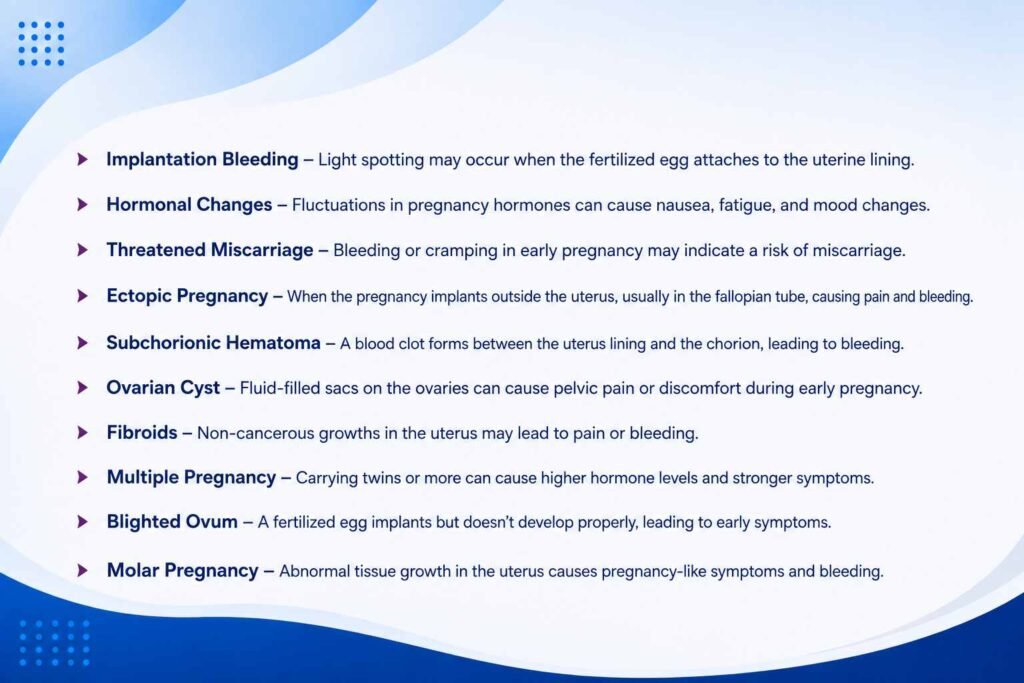
Several conditions can produce symptoms requiring ultrasound evaluation.
These include:
- Implantation bleeding
- Hormonal changes
- Threatened miscarriage
- Ectopic pregnancy
- Subchorionic hematoma
- Ovarian cyst
- Fibroids
- Multiple pregnancy
- Blighted ovum
- Molar pregnancy
Identifying the exact cause helps determine the appropriate management.
Types of Early Pregnancy Ultrasound
Transabdominal Ultrasound
A probe moves over the abdomen using ultrasound gel.
Suitable for:
- Dating pregnancy
- General fetal assessment
- Monitoring pregnancy progression
Transvaginal Ultrasound
A small ultrasound probe is placed inside the vagina.
It provides clearer images during very early pregnancy.
Useful for:
- Detecting heartbeat
- Diagnosing ectopic pregnancy
- Measuring embryo size
- Evaluating cervical changes
Symptoms That Need Immediate Medical Attention
Some Pregnancy Symptoms That Require an Early Ultrasound should never be ignored.
Seek urgent evaluation if you experience:
- Heavy bleeding
- Severe abdominal pain
- Shoulder pain
- Dizziness
- Fainting
- Passing large blood clots
- Severe pelvic pain
- Fever with bleeding
Prompt diagnosis improves maternal safety.
Benefits of an Early Ultrasound
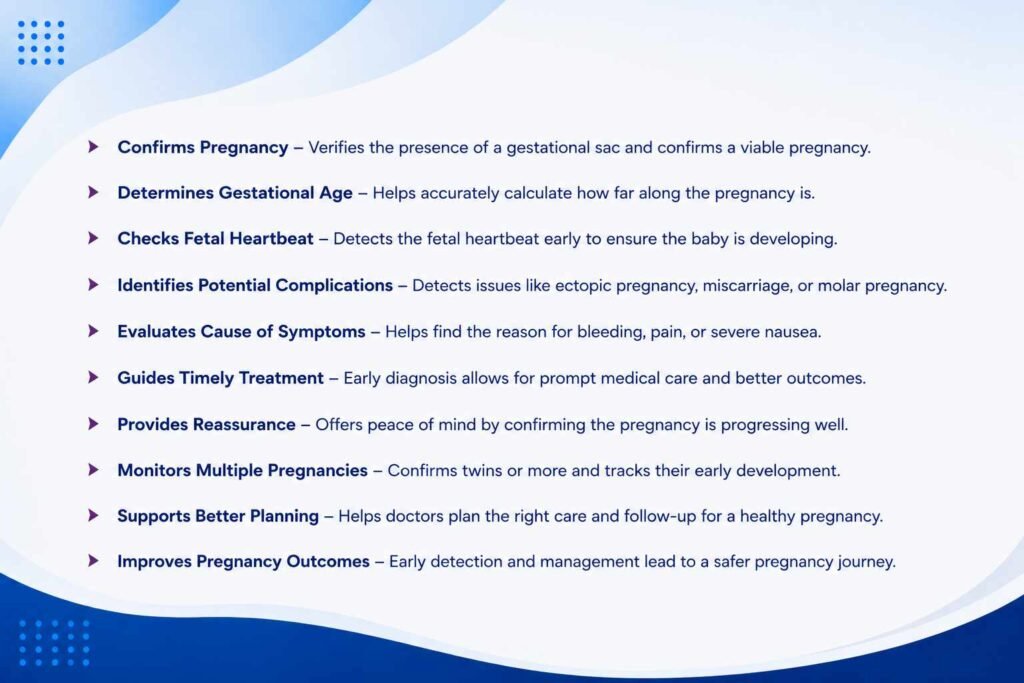
Early pregnancy ultrasound offers many important benefits.
These include:
- Accurate pregnancy dating
- Confirmation of fetal heartbeat
- Detection of twins
- Early identification of complications
- Improved pregnancy planning
- Reassurance for parents
- Better monitoring of high-risk pregnancies
- Assessment of uterine health
How Doctors Decide If an Early Ultrasound Is Needed
Healthcare providers consider:
- Pregnancy symptoms
- Bleeding severity
- Pain location
- Medical history
- Previous pregnancies
- Pregnancy test results
- Blood hormone levels
- Physical examination
This information helps determine whether immediate imaging is necessary.
How to Prepare for an Early Pregnancy Ultrasound
Preparation depends on the type of scan.
For abdominal ultrasound:
- Drink water before the appointment
- Wear comfortable clothing
- Bring previous reports
For transvaginal ultrasound:
- Empty your bladder if instructed
- Wear comfortable clothing
- Follow preparation advice from your healthcare provider
What Happens During the Procedure
The ultrasound procedure is generally simple.
The healthcare professional will:
- Explain the procedure.
- Position you comfortably.
- Apply ultrasound gel for abdominal scans.
- Capture images.
- Measure pregnancy structures.
- Assess fetal heartbeat if visible.
- Review the findings.
Most examinations take about 15–30 minutes.
What Can an Early Ultrasound Detect
It can identify:
- Gestational sac
- Yolk sac
- Embryo
- Fetal heartbeat
- Gestational age
- Multiple pregnancy
- Ectopic pregnancy
- Miscarriage
- Uterine abnormalities
- Ovarian cysts
Tips for a Healthy Early Pregnancy
While understanding Pregnancy Symptoms That Require an Early Ultrasound is essential, maintaining healthy habits also supports pregnancy.
Helpful tips include:
- Attend regular prenatal visits.
- Eat nutritious foods.
- Stay hydrated.
- Take prenatal vitamins.
- Avoid smoking and alcohol.
- Get enough sleep.
- Exercise with medical guidance.
- Report unusual symptoms immediately.
When Should You Contact Your Healthcare Provider
Do not wait if you notice:
- Persistent bleeding
- Severe pain
- Sudden swelling
- High fever
- Continuous vomiting
- Loss of consciousness
- Severe dizziness
Early evaluation can help identify the cause and guide appropriate care.
Conclusion
Understanding Pregnancy Symptoms That Require an Early Ultrasound helps expectant mothers recognize warning signs that deserve prompt medical evaluation. Symptoms such as bleeding, severe abdominal pain, pelvic discomfort, uncertain pregnancy dates, or previous pregnancy complications should never be ignored. Early ultrasound examination provides valuable information about fetal development, pregnancy location, and maternal health while supporting timely medical decisions. If you experience Pregnancy Symptoms That Require an Early Ultrasound during pregnancy in Thrissur, seeking professional medical assessment as soon as possible can contribute to safer pregnancy care and greater peace of mind. For trusted information about pregnancy and prenatal care, you can visit the American College of Obstetricians and Gynecologists (ACOG) .
Frequently Asked Questions
What are Pregnancy Symptoms That Require an Early Ultrasound
These include bleeding, severe pain, pelvic discomfort, uncertain pregnancy dates, previous pregnancy complications, and suspected ectopic pregnancy.
Is an early pregnancy ultrasound safe
Yes. Ultrasound uses sound waves and is considered safe during pregnancy when medically indicated.
Can bleeding always mean miscarriage
No. Bleeding has several causes, and an ultrasound helps determine the reason.
When is the first ultrasound usually performed
Many early ultrasounds are performed between 6 and 8 weeks, depending on symptoms and medical needs.
Can an ultrasound detect twins early
Yes. Multiple pregnancies can often be identified during early scans.
Is abdominal pain always dangerous
Not always, but severe or persistent pain should be evaluated promptly.
What if no heartbeat is detected
This depends on the stage of pregnancy. Sometimes a repeat ultrasound is recommended after a few days.
Do all pregnant women need an early ultrasound
Not always. The need depends on symptoms, medical history, and healthcare provider recommendations.
How long does an early ultrasound take
Most examinations take approximately 15 to 30 minutes.
Can an ultrasound diagnose ectopic pregnancy
Yes. It is one of the primary tools used to diagnose ectopic pregnancy.